;)
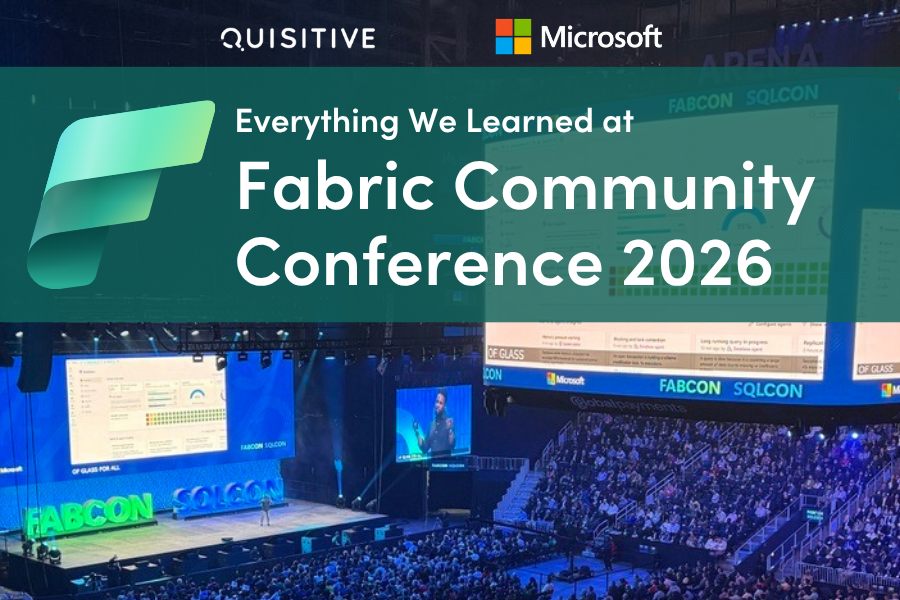
Atlanta delivered. Three years in, FabCon has grown into something that genuinely feels like the center of gravity for the Microsoft data and AI community, and this year, with SQLCon joining for the first time, the energy on the show floor was unlike anything we have seen before. More than 8,000 attendees, nearly 300 sessions, and a keynote that ran over two hours because there was simply too much to cover.
For the Quisitive team, this was our third FabCon and one of our most memorable. We came as a sponsor, we brought a live technical session with one of our own clients, Caplugs, we hosted what I think was the best customer and partner event of the week at Margaritaville, and we had conversations that genuinely moved the needle on how we think about what comes next for the organizations we work with.
This is my attempt to capture what stood out – from the big Microsoft announcements to the moments that happened away from the main stage.
Quisitive at Booth 813
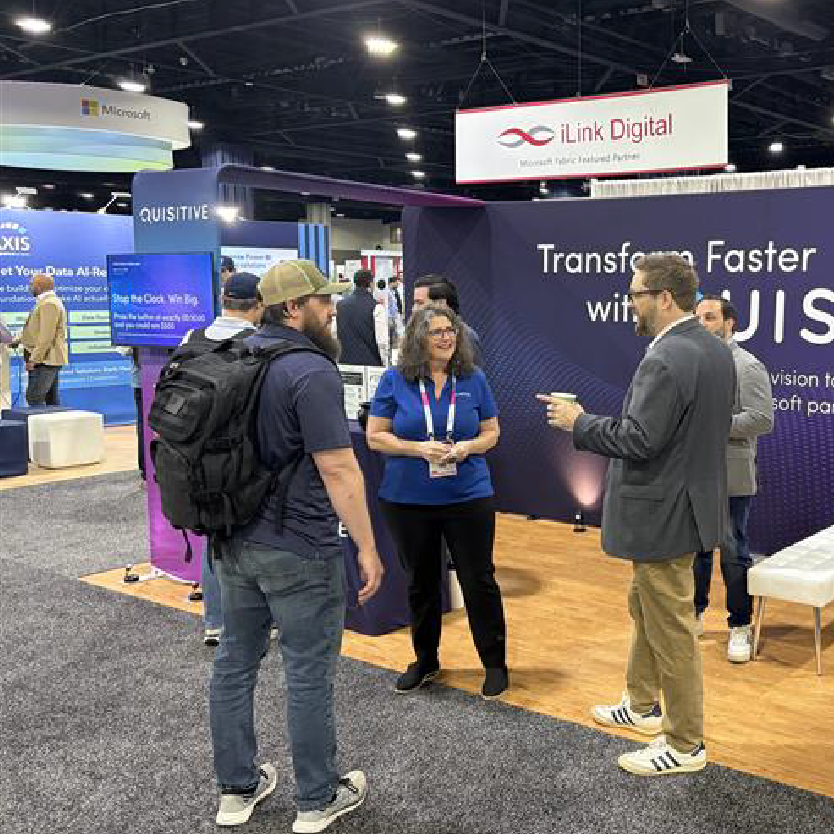
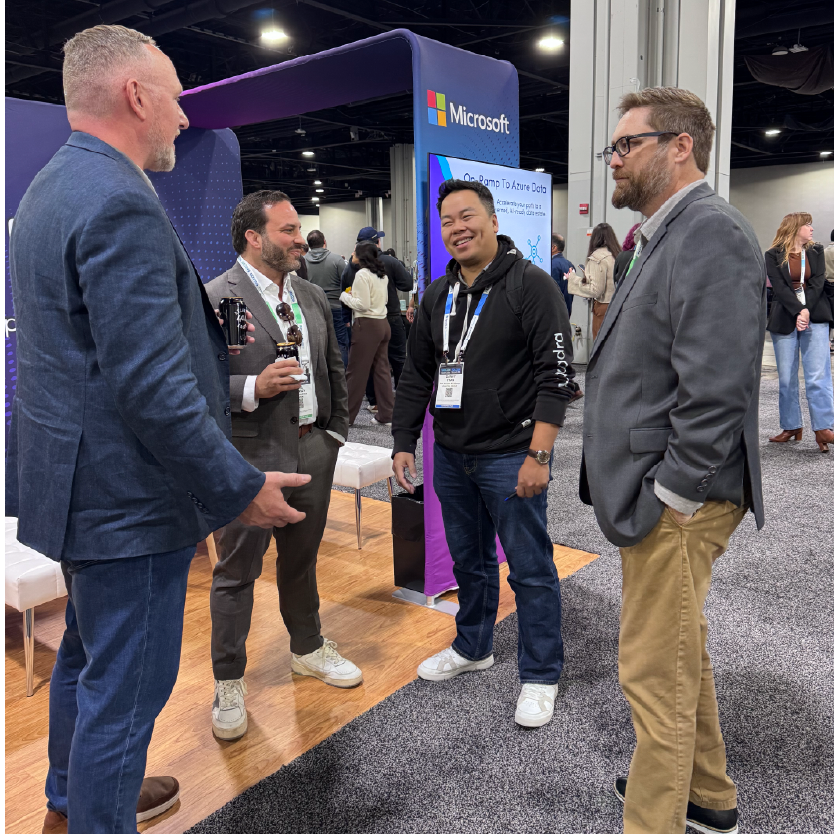
As a global Microsoft Solutions Partner and Microsoft’s 2024 Partner of the Year for Analytics, FabCon is where we belong. This year we were at Booth 813 in the heart of the expo hall, and the traffic was constant. What struck me was the quality of the conversations. People are past the ‘what is Fabric’ stage. They are asking about governance at scale, AI readiness, migration strategy, and how to get past the pilot phase. Those are exactly the conversations we came prepared to have.
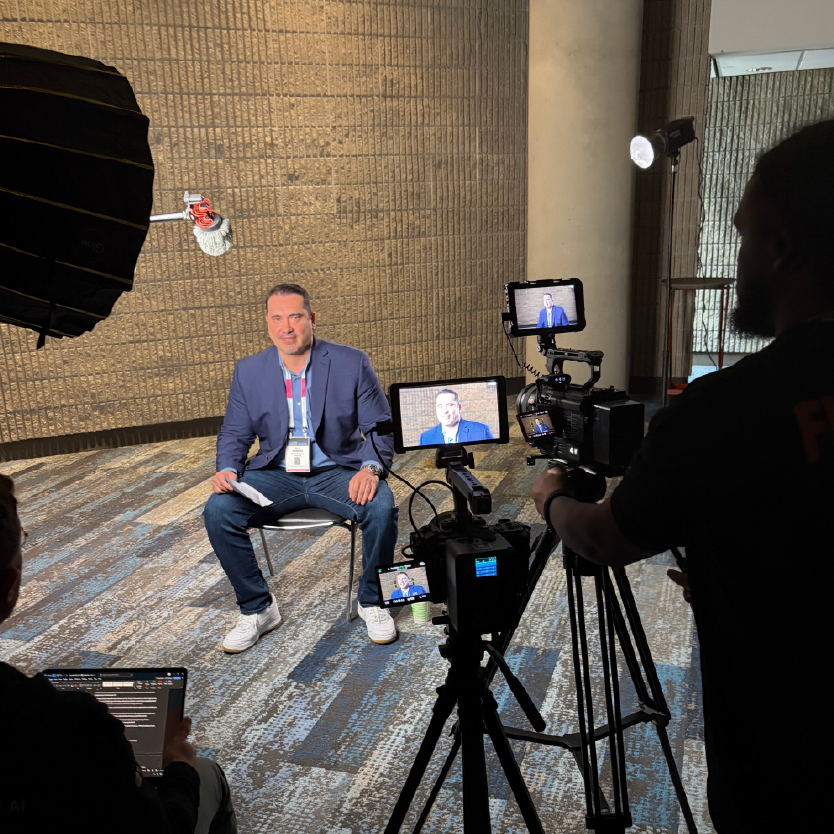
We also hosted video interviews with our executives and Microsoft leaders, capturing real perspectives on the state of Fabric, where enterprise data is headed, and how organizations are turning AI ambition into production outcomes. More on that soon.
Our Live Technical Session with Caplugs
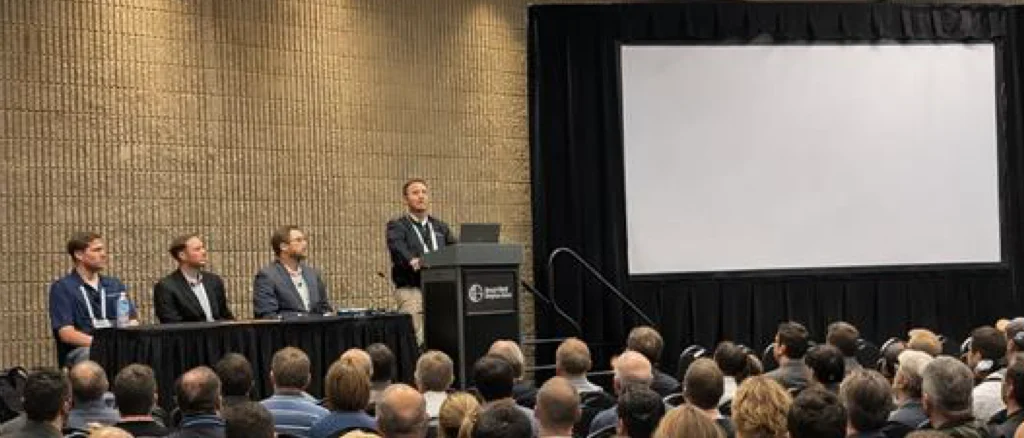
One of the highlights of the week for me personally was taking the stage alongside our client for a live technical session. Caplugs, the Buffalo-based global leader in custom molded protective components with 13 manufacturing facilities worldwide, worked with Quisitive to reduce technical debt, unify ERP analytics and governance, and deliver a stable Fabric foundation in 90 days.
The session covered how a global manufacturing organization with real complexity and real constraints got to a production-grade Fabric environment faster than most teams think is possible. The questions from the audience afterward told us the room recognized themselves in the story – and that is exactly the point. Real outcomes from real enterprises matter more than any demo.
Margaritaville: Our Customer and Partner Event
If FabCon is where you go to learn, our Margaritaville event is where you go to actually talk. We hosted customers, partners, and Microsoft colleagues for an evening that had nothing to do with keynotes or slide decks and everything to do with the conversations that happen when smart people get in a room together and relax.
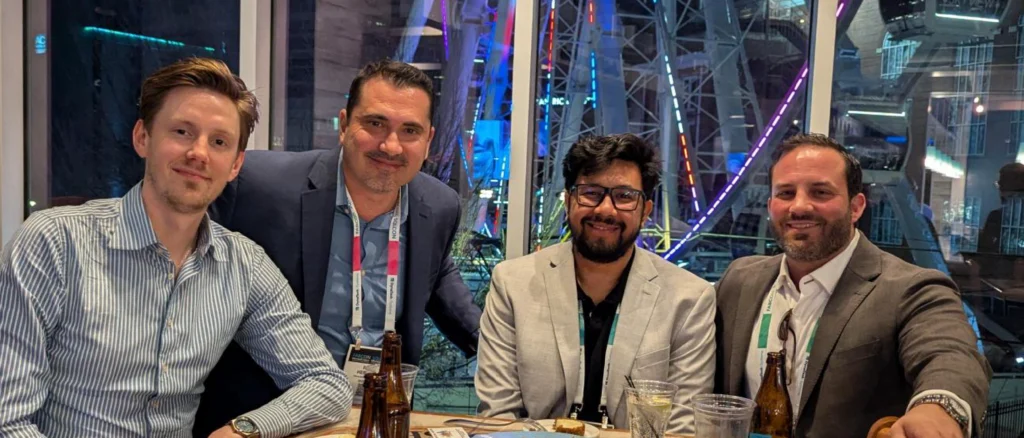
The energy was great. The feedback was genuine. And more than a few of the conversations that started over a drink at Margaritaville turned into meetings back in the booth the next morning. That is the value of investing in community. It compounds.
The Clock Game: 24 Champions and One Very Lucky Winner
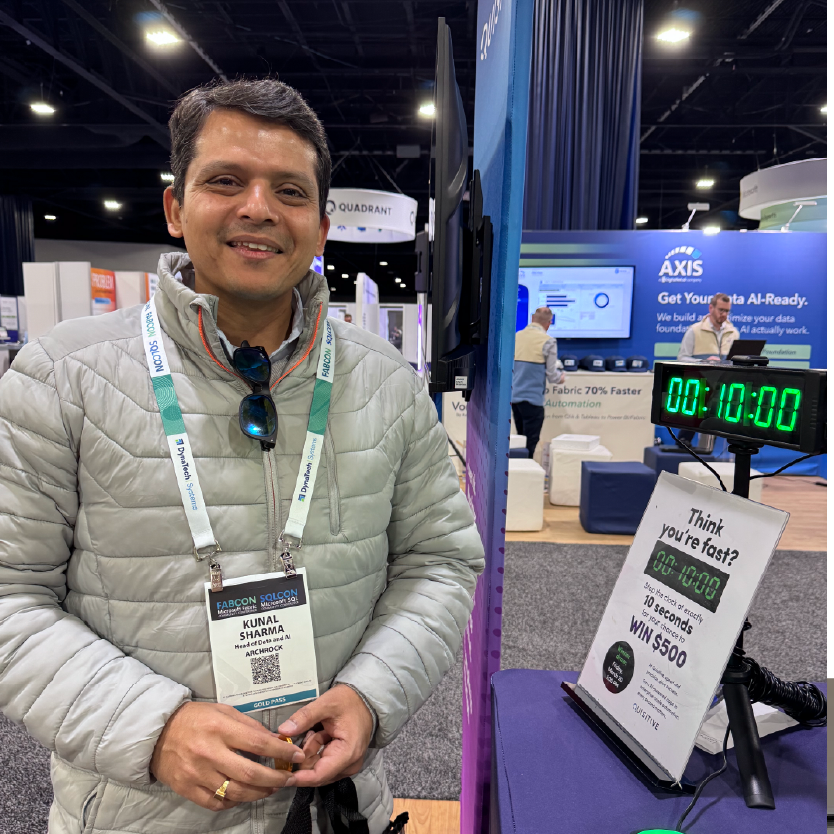
We brought back the clock game this year and it did not disappoint. For those who missed it, the challenge is simple: stop the clock as close to exactly 10 seconds as you can. It’s harder than it sounds. We had hundreds of attempts across the three days, and 24 people managed to hit it perfectly.
From those 24, we drew one winner for the $500 prize: Kunal Sharma from Archrock. Congratulations, Kunal – well deserved. If you did not get a chance to play in Atlanta or want to try to redeem yourself, the digital version is live and you can play it here.
My Top 5 Technical Takeaways from FabCon and SQLCon 2026
Now for the part that I suspect most of you are here for. The announcements at FabCon this year were substantial. Here is what stood out to me from a data and AI engineering perspective.
1. Fabric Database Hub and SQL in Fabric
This was the headline announcement, and it earned the attention it got. The Database Hub in Fabric is now available in early access, and it is a meaningful shift in how teams think about managing their database estate. The idea is straightforward and powerful: instead of jumping between Azure portal, SSMS, and half a dozen other tools to manage Azure SQL, Cosmos DB, PostgreSQL, MySQL, SQL Server via Arc, and Fabric Databases, you get one unified view. One place to explore, observe, govern, and optimize everything.
What makes this more than just a dashboard consolidation is the agent-assisted management model built on top of it. Copilot-powered insights surface what changed, explain why it matters, and guide teams toward the right action. For organizations running distributed database estates – which is most of our clients – this is a material reduction in operational friction.
SQL in Fabric itself continues to mature. The message from Microsoft is clear and consistent: SQL Server, Azure SQL, and SQL database in Fabric are built on a shared SQL engine foundation, delivering a consistent experience across on-premises, PaaS, and SaaS environments. Fabric is the extension and unification layer, not a replacement. That is the right framing, and it is the one that resonates with the enterprise architects and data leaders we work with every day.
2. SQL Server 2025
The SQL Server 2025 momentum was hard to miss at the conference. Microsoft shared that SQL Server 2025 is growing more than twice as fast as the previous version, which signals that the market is paying attention to what is in it.
The story here is AI embedding directly into SQL workflows rather than being bolted on externally. Vector search, retrieval-augmented generation, and agent-driven query orchestration – all using SQL as the core data engine. The sessions walking through real implementations of these patterns were among the most technically substantive of the week. SQL Server is being positioned as a system of intelligence, not just a system of record, and the demos backed that up.
For organizations that have been wondering whether to modernize SQL Server or move to a cloud-native alternative, the FabCon message was “modernize on your terms.” The path forward does not require abandoning SQL Server. It requires extending it intelligently into the Fabric ecosystem.
3. GitHub CI/CD x SSMS 25 Integration
This one will matter more to the practitioners in the room than the executives, but it matters a lot. The Git integration improvements announced at FabCon – selective branching, improved change comparisons, folder relationships between feature and source workspaces – combined with the SSMS 25 direction and GitHub Copilot Fabric connectivity via MCP (now generally available) represent a real step forward for development teams.
The Fabric Extensibility Toolkit reaching general availability with full CI/CD support is significant. Development workflows for data engineering have historically lagged behind application development in terms of tooling maturity. These announcements close that gap meaningfully. Teams that have been waiting for robust CI/CD patterns in Fabric now have them, and the GitHub integration story is the strongest it has ever been.
4. SQL MCP – Model Context Protocol
The Model Context Protocol announcements were, for me, one of the most forward-looking parts of the week. Fabric local MCP is now generally available, providing an open-source local server that connects AI coding assistants including GitHub Copilot directly to Fabric. Alongside that, Microsoft introduced the public preview of Fabric remote MCP – a secure, cloud-hosted execution engine that enables AI agents and automation tools to perform authenticated actions in Fabric.
The deeper implication is the Fabric IQ ontologies becoming accessible via MCP server in preview. This is where it gets genuinely interesting. Fabric IQ creates a shared business context from productivity signals, institutional knowledge, and live business data – housed in ontologies that agents can navigate instead of raw tables. When that context becomes accessible through MCP, the result is AI agents that understand your business the way a senior analyst does, not the way a query engine does.
For organizations building agentic AI, this is the infrastructure layer that makes agents trustworthy at enterprise scale. We have been thinking hard about this on behalf of our clients, and the MCP direction from Microsoft aligns directly with where we see production AI going.
5. Data Agents and the ADF Migration Assistant
Two announcements here that belong together because they both point in the same direction: reducing the manual overhead that slows data teams down.
Fabric data agents are now generally available and act as virtual analysts for specific domains. These are not chatbots. They are purpose-built agents that can be used within Fabric or as knowledge sources in tools like Microsoft Foundry and Copilot Studio. For data operations teams that spend too much time reacting to pipeline failures and data quality issues, this is the kind of intelligent automation that actually makes a dent.
The ADF Migration Assistant, now in public preview alongside similar tooling for Synapse Analytics and Azure SQL, is the practical complement to all of the platform-level innovation. Moving pipelines, notebooks, and database schemas into Fabric with AI-assisted compatibility checks removes one of the biggest barriers to modernization: the fear that migration will break everything. For clients who have been sitting on the migration decision, this is a meaningful reduction in risk.
What This All Means
Stepping back from the individual announcements, the pattern at FabCon 2026 was clear. Microsoft is not building individual features anymore. They are building an operating system for enterprise data. Database Hub, OneLake, Fabric IQ, MCP, data agents – these are not separate products. They are the connective tissue of a platform designed to unify transactional, analytical, and AI workloads under a single architecture.
The organizations that will benefit most are the ones that start treating their data foundation as a strategic asset today, not after the AI demand outpaces their infrastructure. We have seen that gap cost organizations real time and real money. The tools to close it are here.
For the Quisitive team, FabCon 2026 reinforced why we have been investing so deeply in this ecosystem. The conversations at our booth, the session with Caplugs, the evening at Margaritaville – they all pointed to the same thing. The market is ready to move from exploration to execution. We are ready to help them get there.
We offer three focused engagements designed for where your organization is right now.
Evaluate and modernize your data estate with a tailored modernization and governance roadmap, architecture guidance specific to your environment, and AI readiness planning grounded in real use cases.
Or register for our upcoming webinar: Spring Clean Your Data Estate: Building a Unified Data Platform for AI with Microsoft Fabric
May 6, 2026 | 1 PM CT