The way businesses operate is evolving at lightning speed. With 68% of employees reporting that they struggle to keep up with the pace and volume of work (McKinsey, 2023), organizations need solutions that enable agility, efficiency, and innovation.
The pressure to do more with less is real, and the answer lies in AI-powered, cloud-based ERP systems. Leading this transformation is Microsoft Dynamics 365.
Why Autonomous ERP Is the Future
Traditional ERP systems were designed for predictable processes. But today’s business environment is anything but predictable. Supply chain disruptions, economic uncertainty, and rapidly changing customer expectations demand systems that can think, learn, and act autonomously.
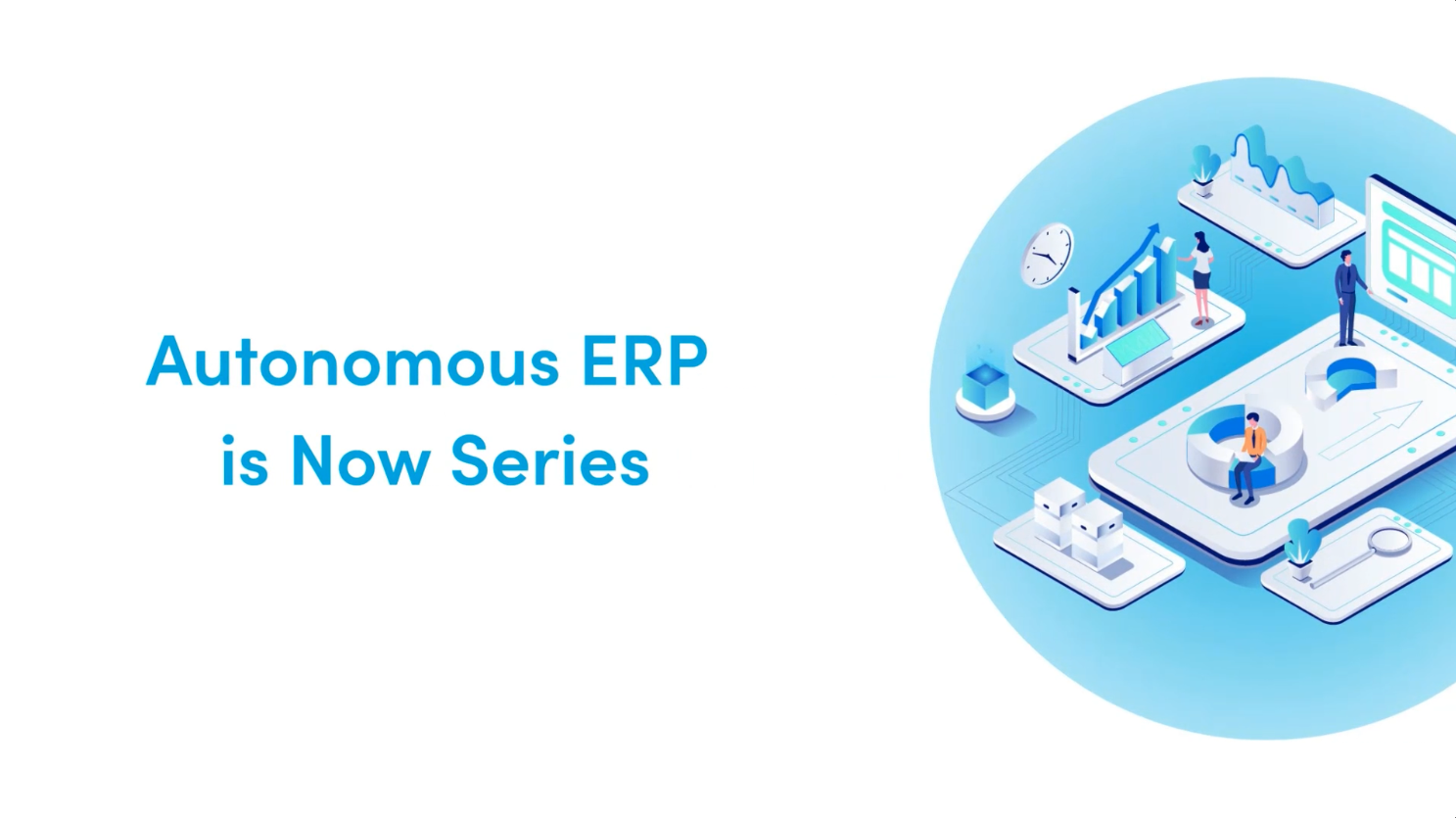
Autonomous ERP goes beyond automation to deliver intelligent orchestration. Imagine an ERP that:
- Automates complex workflows without manual intervention.
- Responds to real-time signals to prevent disruptions before they occur.
- Acts independently to optimize operations across finance, supply chain, and customer service.
The future of enterprise resource planning is driven by AI that actively orchestrates operations, instead of just assisting with tasks.
Copilots and Agents: The Brains Behind Autonomous ERP
At the heart of this transformation are Copilots and AI Agents. These tools work with or for humans to streamline processes and drive efficiency. They fall into three categories:
- Retrieval Agents: Pull information, summarize data, and answer questions instantly.
- Task Agents: Automate workflows and eliminate repetitive tasks.
- Autonomous Agents: Operate independently, plan dynamically, and learn continuously.
Example prompts you can use within Dynamics 365 Copilot or AI Agents:
- “What’s the status of project X and the remaining budget?”
- “Review outstanding open POs and begin financial planning.”
These capabilities mean less time searching for answers and more time acting on insights.
Four Pillars of Autonomous ERP
Autonomous ERP is built on four core pillars; these pillars deliver intelligent orchestration that helps your organization thrive in a dynamic world.
- Reasoning: Analyze historical and real-time data to make informed decisions.
- Memory: Learn from past interactions to improve future outcomes.
- Orchestration: Coordinate multiple agents and systems toward common goals.
- Adaptability: Adjust processes instantly based on new data.
AI’s Three Roles in Business Transformation
AI in ERP plays three critical roles:
- Assistant: Handles routine tasks like scheduling, email review, and status reporting.
- Advisor: Provides actionable insights and trend predictions for better decisions.
- Optimizer: Manages end-to-end workflows, escalates issues, and learns from anomalies.
Together, these roles free your teams to focus on innovation and strategy, not repetitive tasks.
The ROI of Moving to Dynamics 365
Dynamics 365 doesn’t just pay for itself; it accelerates growth. According to Forrester:
- 106% ROI
- $8.9M in operational improvements
- $1.2M in profitability gains from real-time visibility
Migrating to a next-generation ERP is complex, but you don’t have to do it alone. Quisitive brings:
- Deep Dynamics 365 expertise – We know the platform inside and out.
- Integration excellence – Seamlessly connect your ERP with existing systems.
- Industry-specific strategies – Tailored solutions for your unique business needs.
- Ongoing support and training – Empower your team for long-term success.
We don’t just implement technology; we help you unlock its full potential.
Ready to Modernize?
The future of business is autonomous, adaptive, and AI-driven. Dynamics 365 empowers you to:
- Automate processes
- Gain real-time insights
- Stay resilient in an unpredictable market
Ready to Modernize Your ERP System?
Quisitive can help your organization implement, integrate, or manage Dynamics 365 products and solutions.